
 Image 1 of 8
 Image 2 of 8
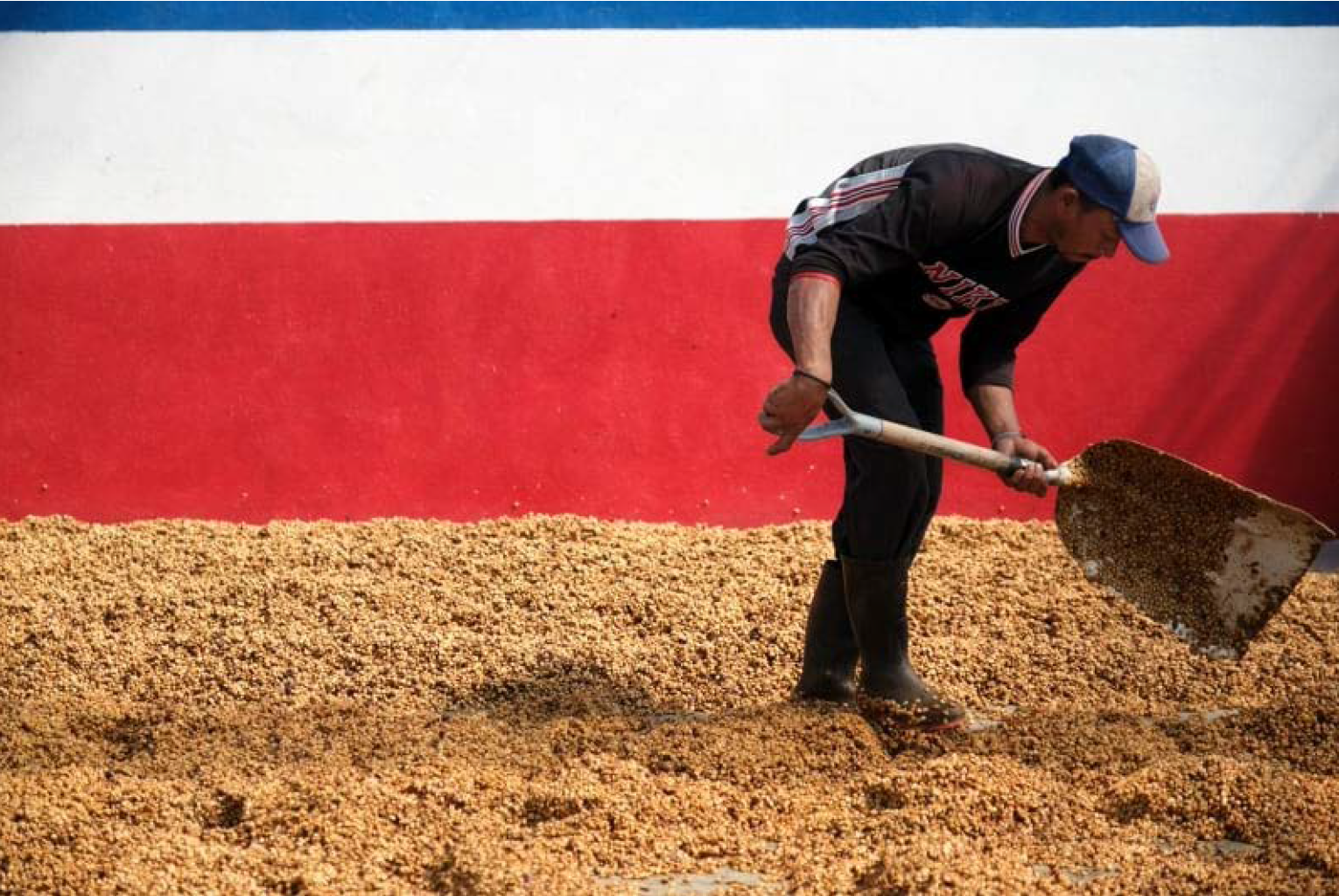 Image 3 of 8
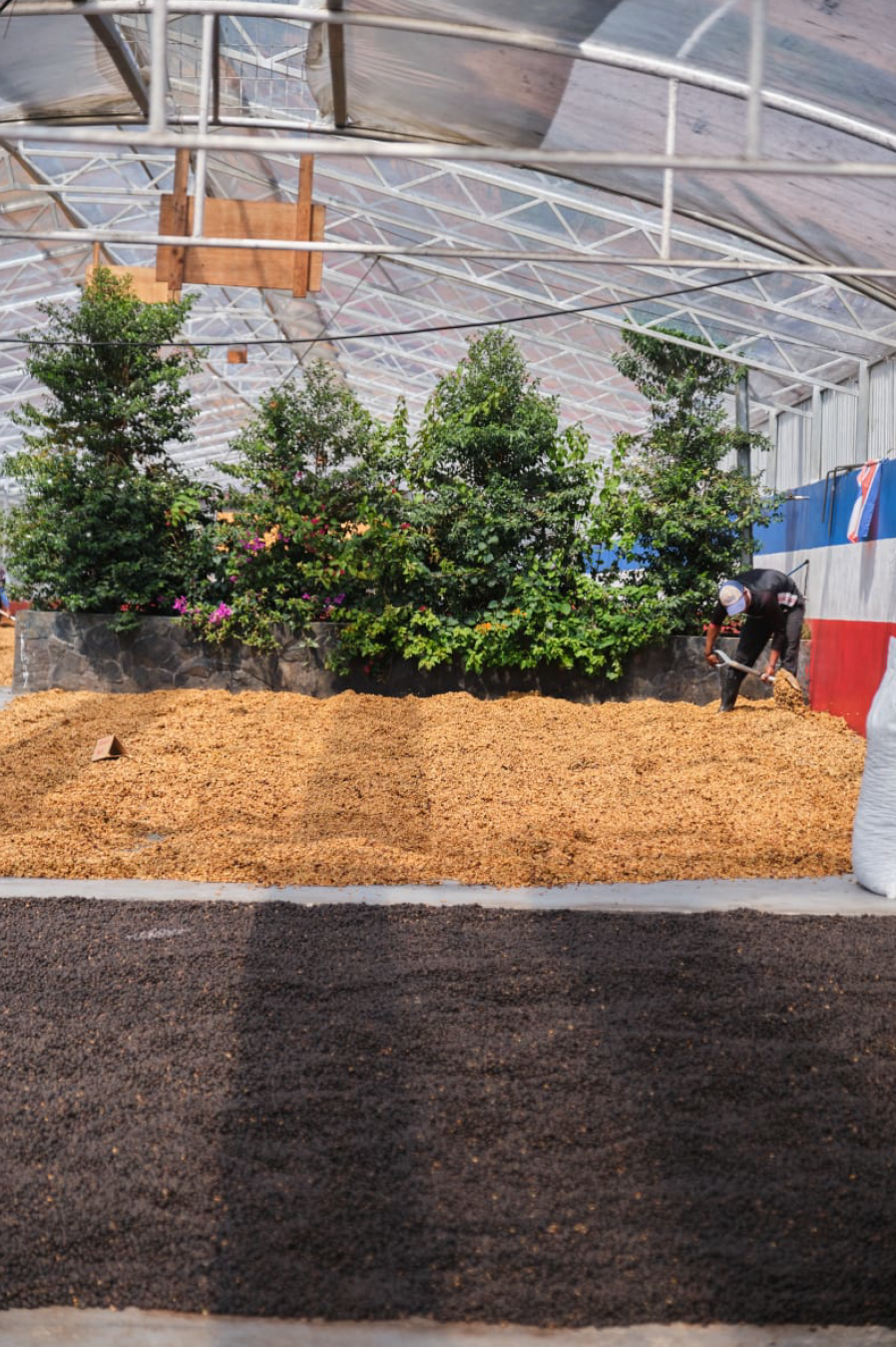 Image 4 of 8
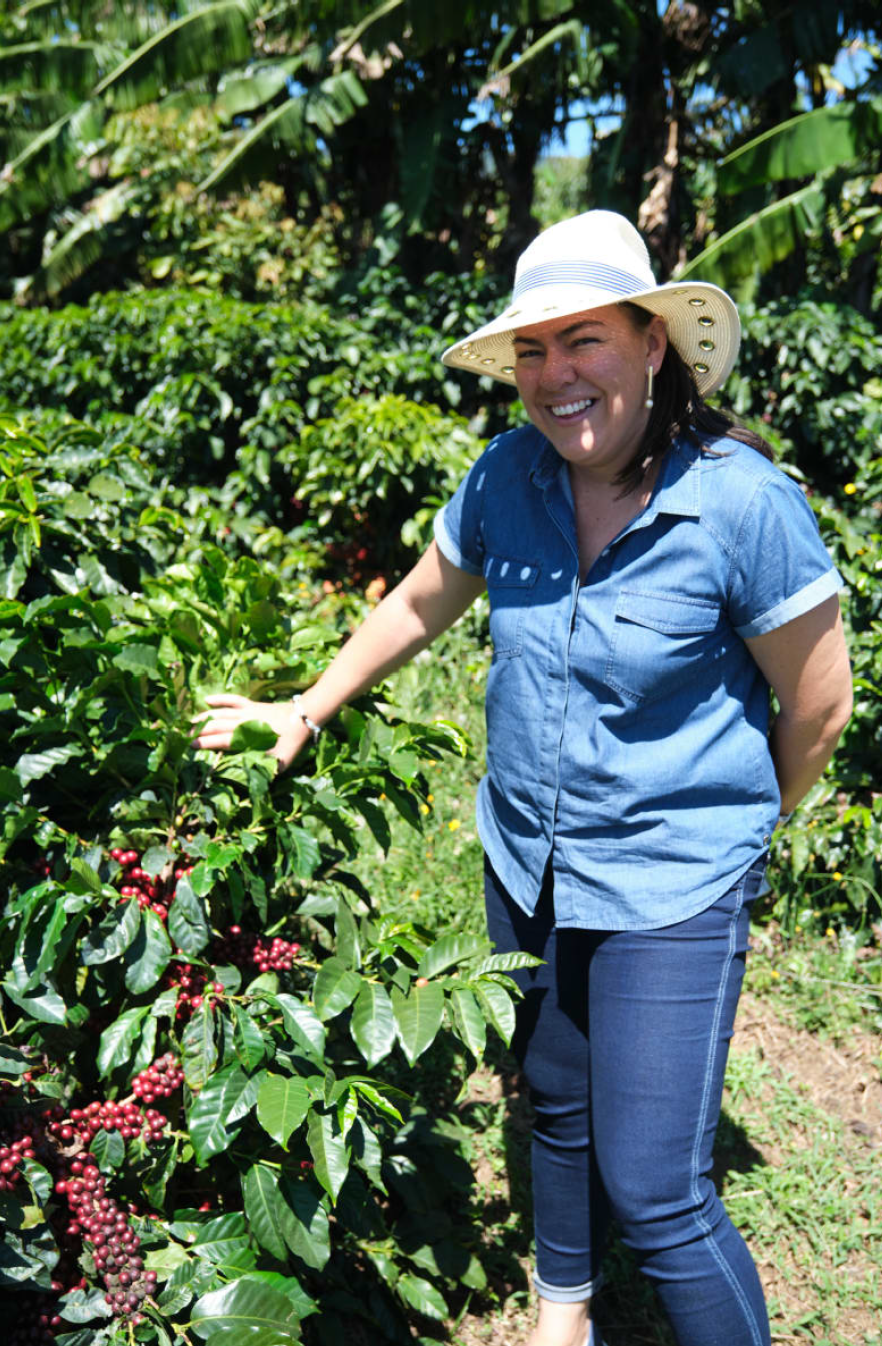 Image 5 of 8
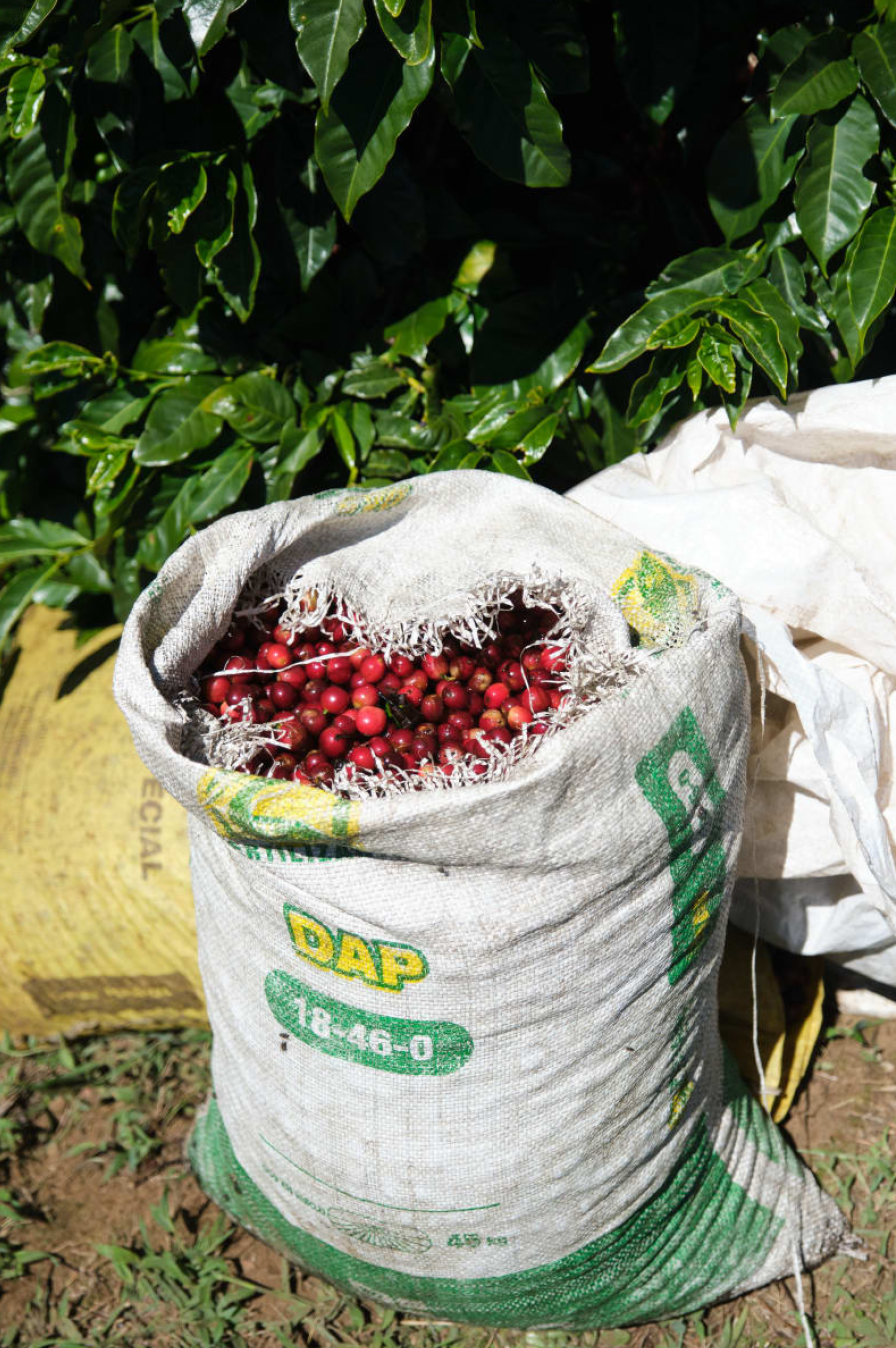 Image 6 of 8
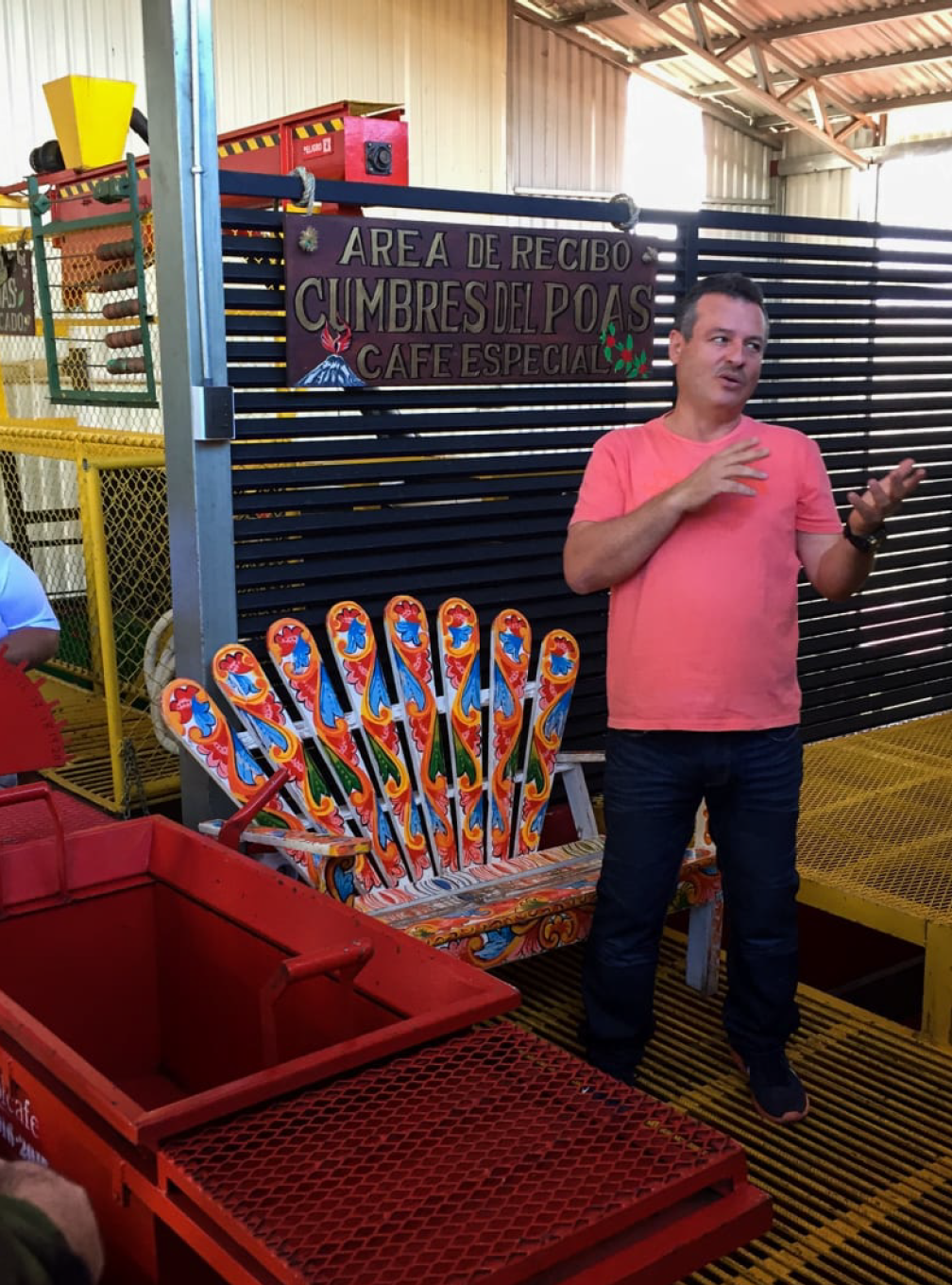 Image 7 of 8
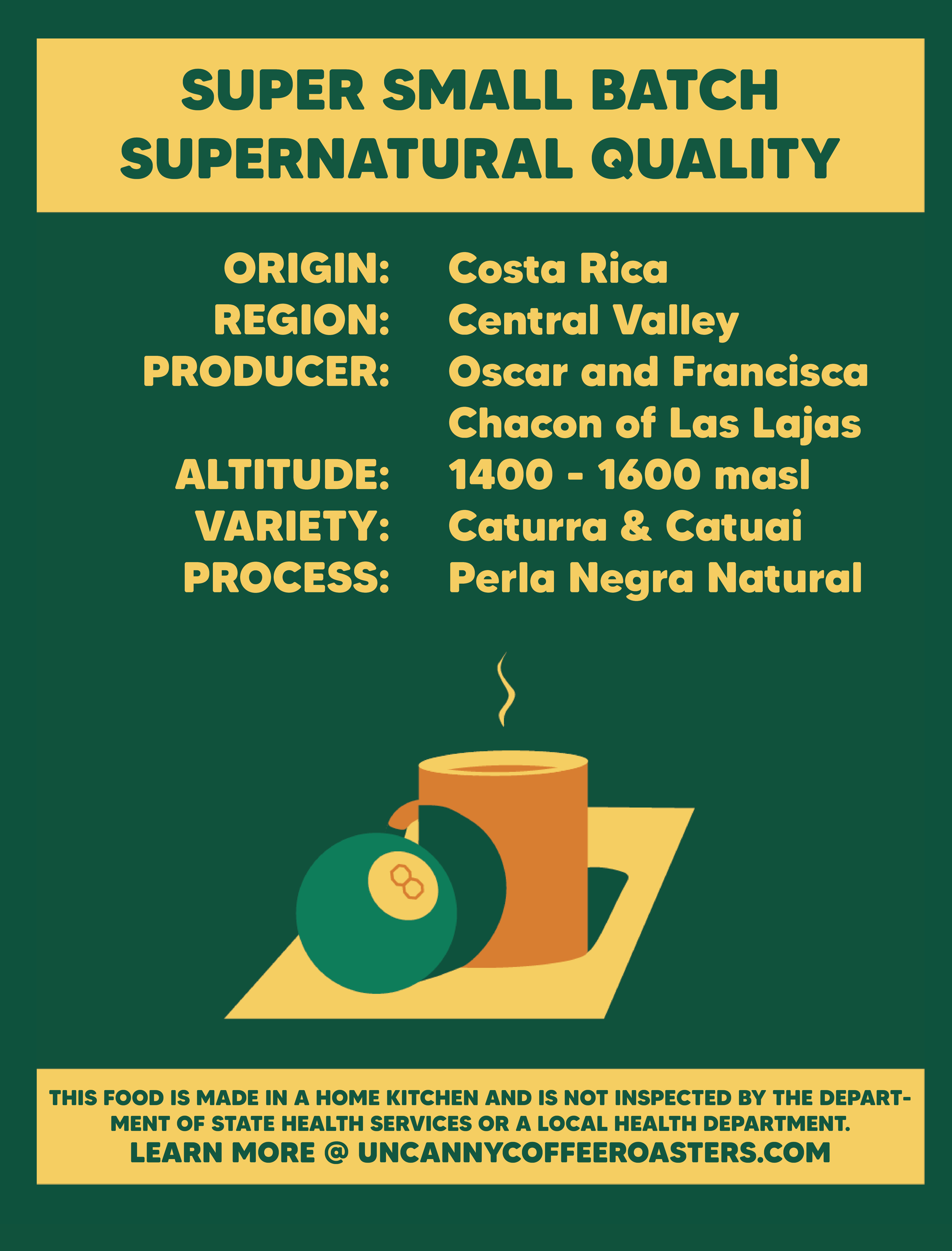 Image 8 of 8
LAS LAJAS MICROMILL
From Cafe Imports: Oscar and Francisca Chacón of Las Lajas are third-generation coffee producers, but the coffee is more than just in their family heritage: It's in their hearts and souls as well. The couple is committed to quality and innovation, and are among the very first farmers in Costa Rica to produce Honey and Natural process specialty coffee.
In 2005, after years of delivering their cherry to a cooperative for the going market price, they decided to join the brand-new "micromill revolution" and buy their own depulper to have more control over the quality and the price they received for their lots. "At first, we didn't know what we were doing," Oscar explains. "We were just experimenting." That experimentation led to some of the most exciting new flavor profiles in coffee.
NATURAL “Perla Negra” process
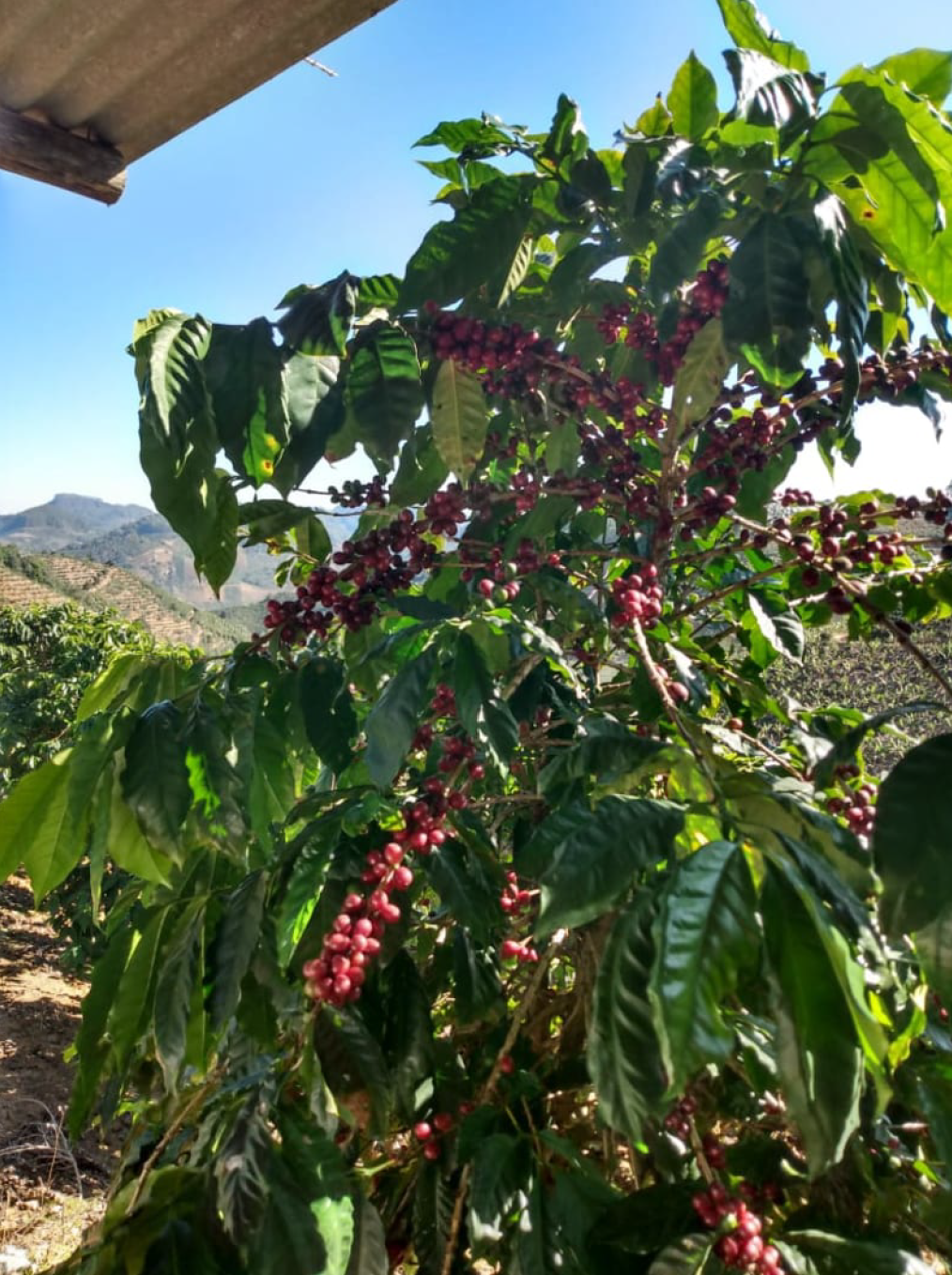
Perla Negra is the name of Las Lajas’ natural coffee process, where ripe coffee cherries with high brix levels (which is to say, a high concentration of sugars) are taken to raised beds where they will sit out in the sun to dry. After a week in the sun the cherries are moved to the shade to dry at lower temperatures for another week before finally being transferred to the greenhouse patio to finish dehydrating. During these drying phases the cherries are moved or raked twice a day for 20-30 days to ensure uniform drying, until they finally reach a target moisture percentage and the fruit of the cherry has dried to the beans (or bean) inside. This process is largely responsible for this coffee’s high fruit-forward sweetness.