
 Image 1 of 7
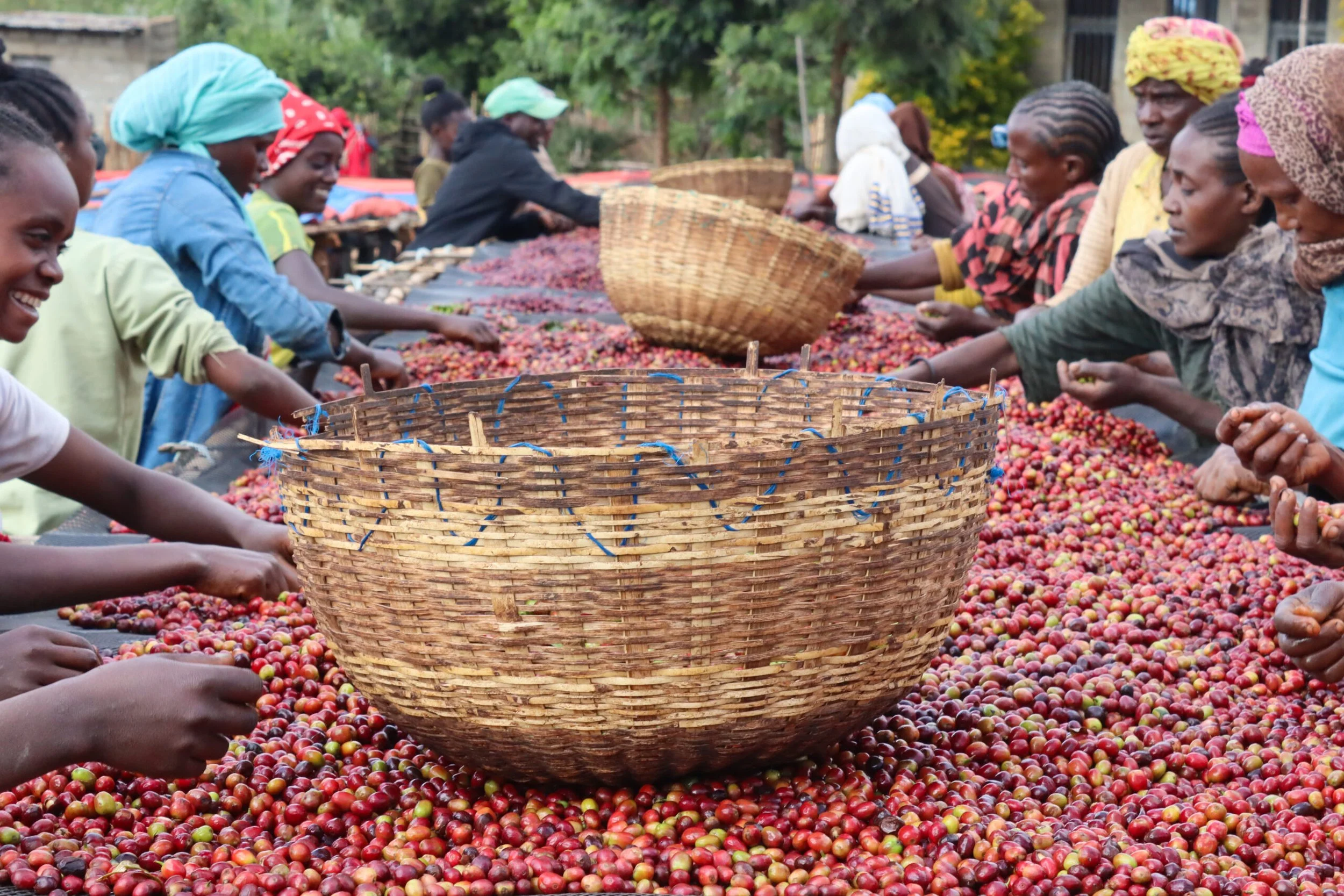 Image 2 of 7
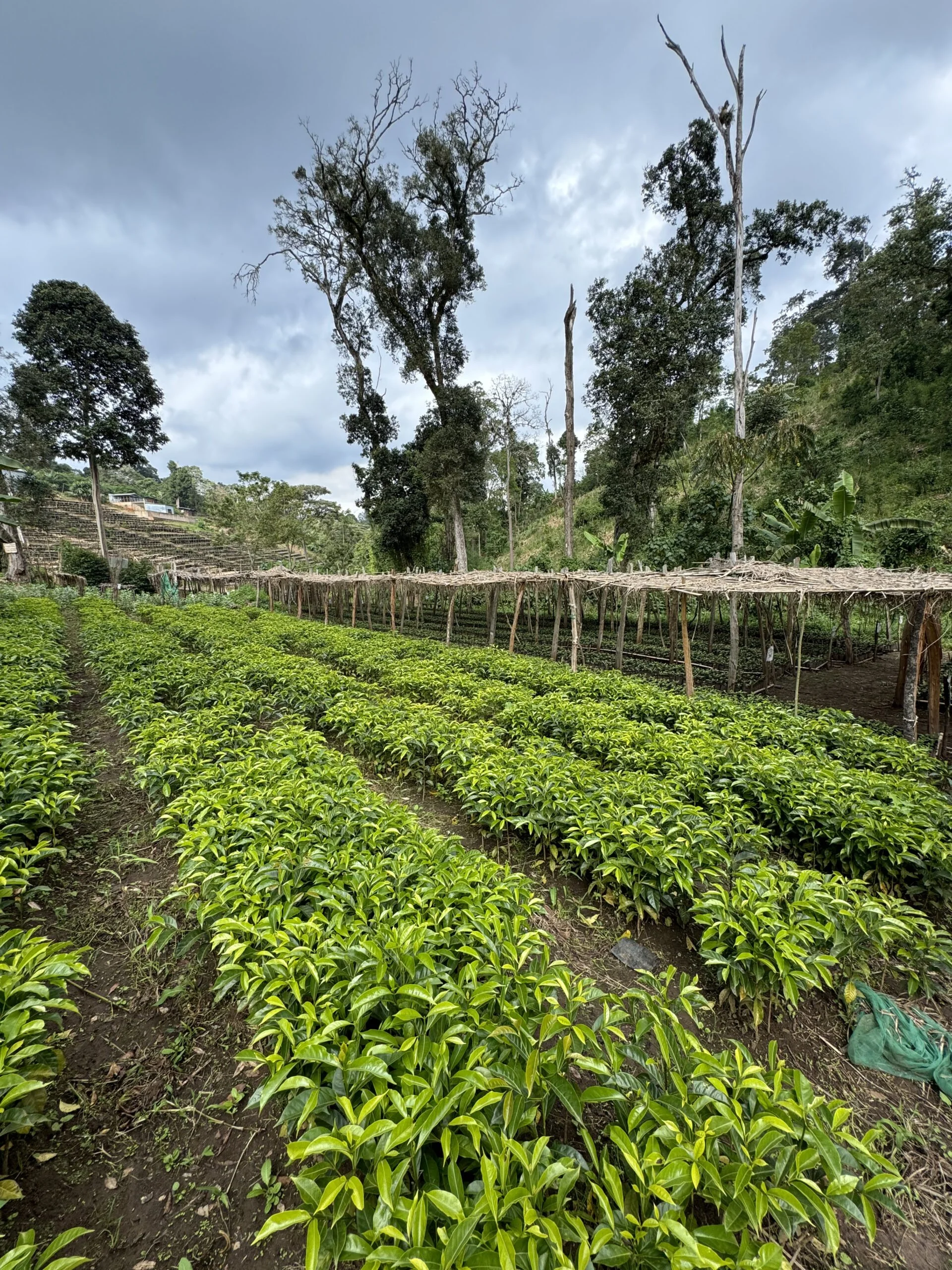 Image 3 of 7
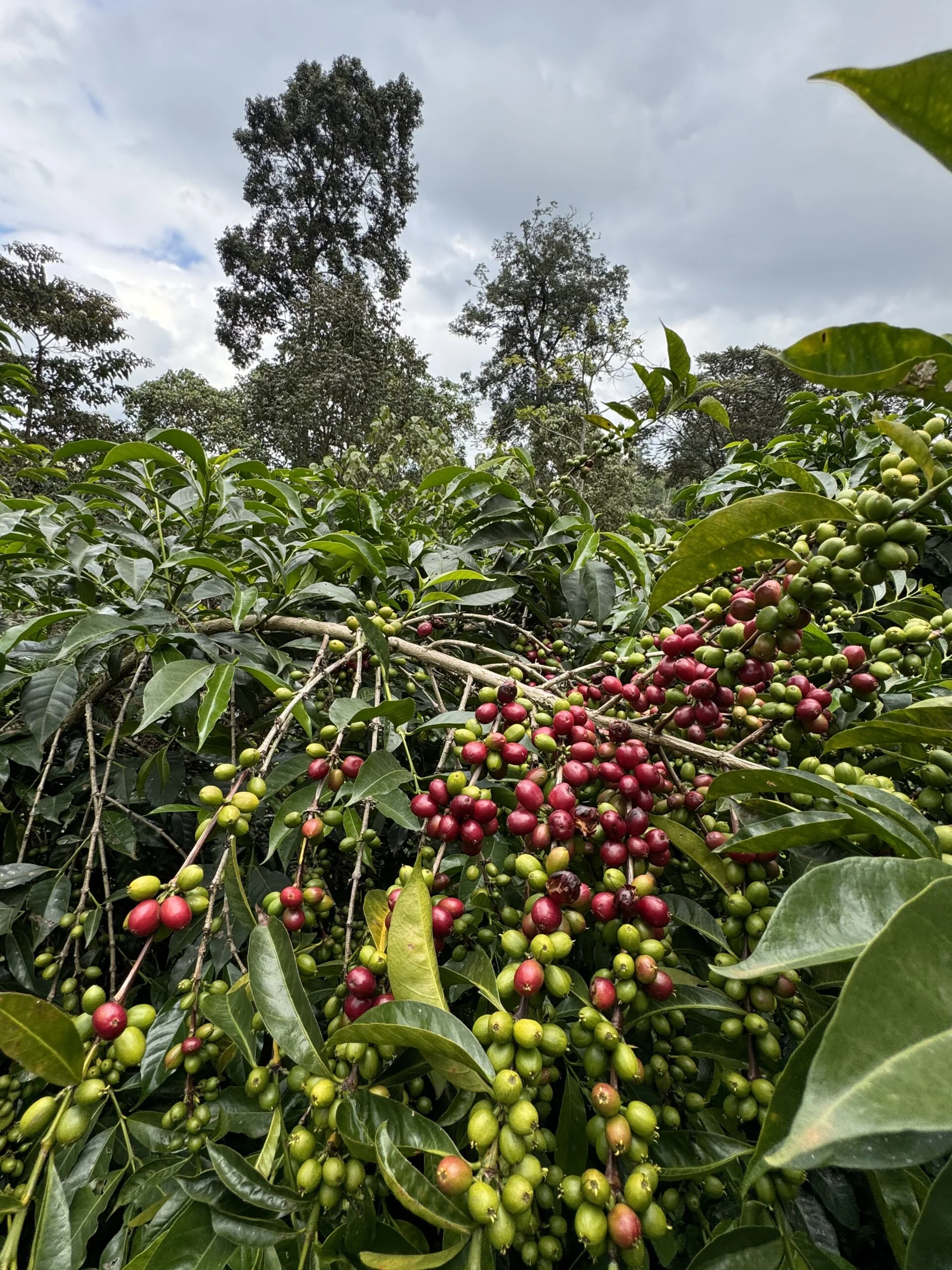 Image 4 of 7
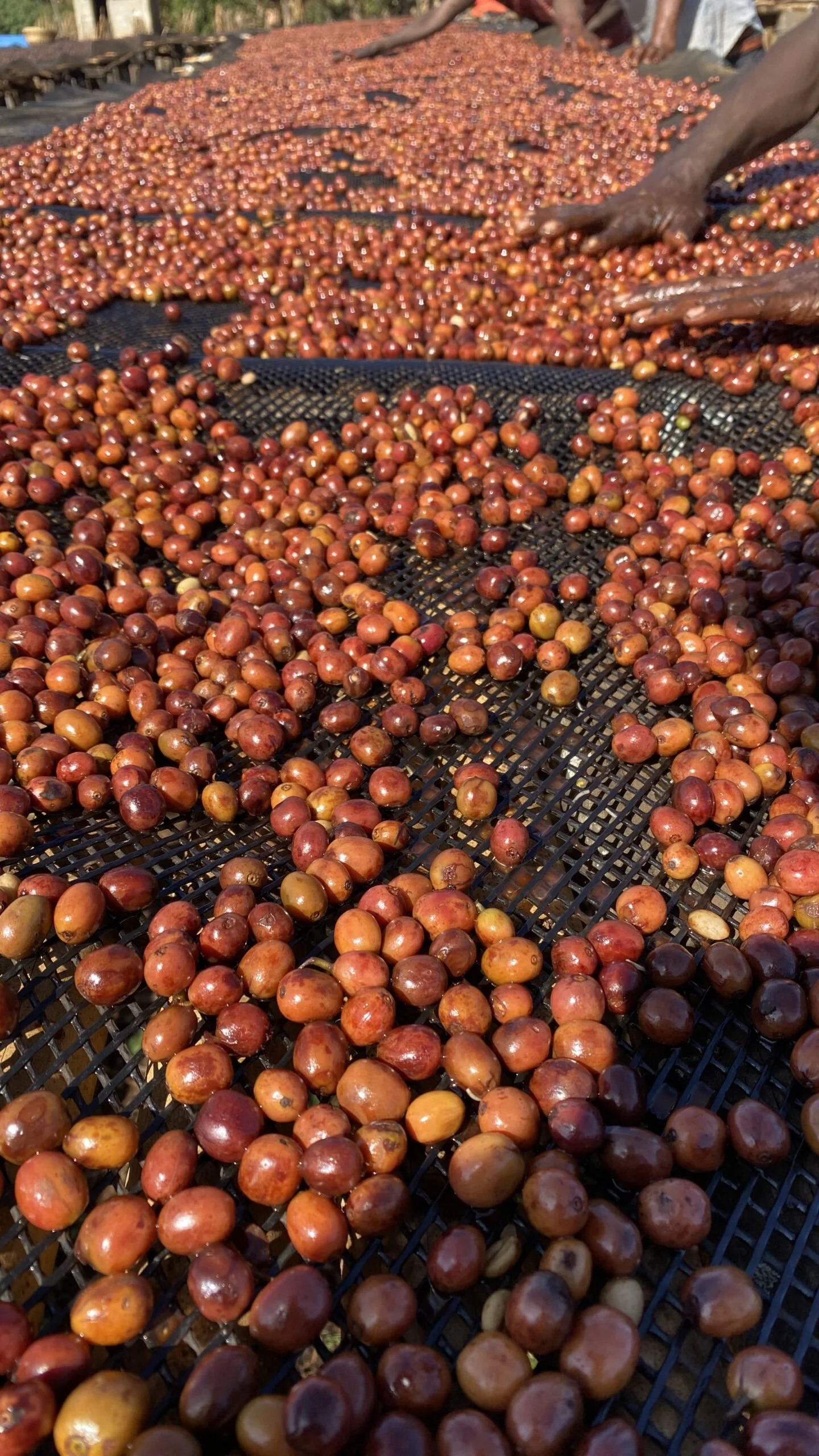 Image 5 of 7
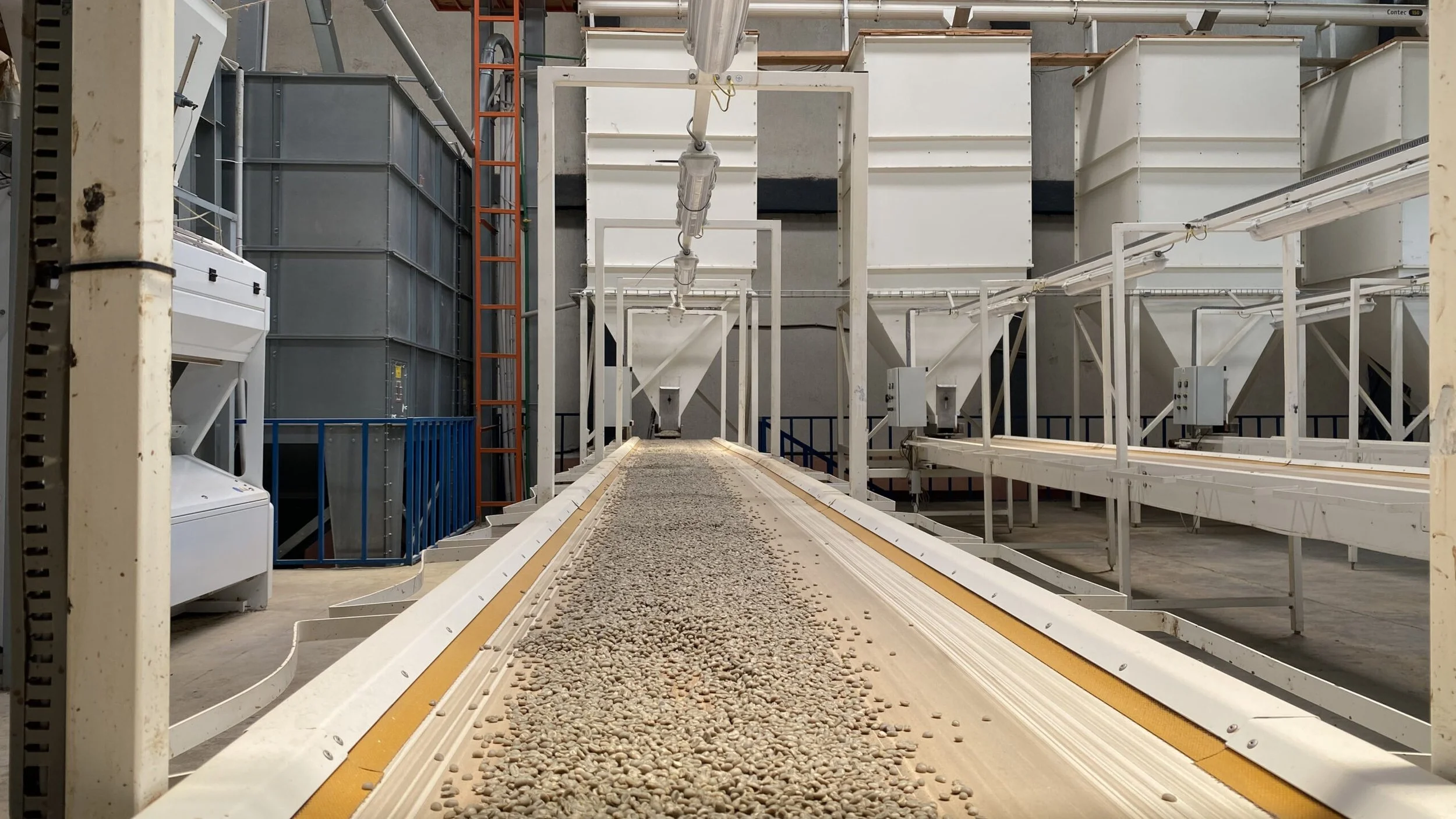 Image 6 of 7
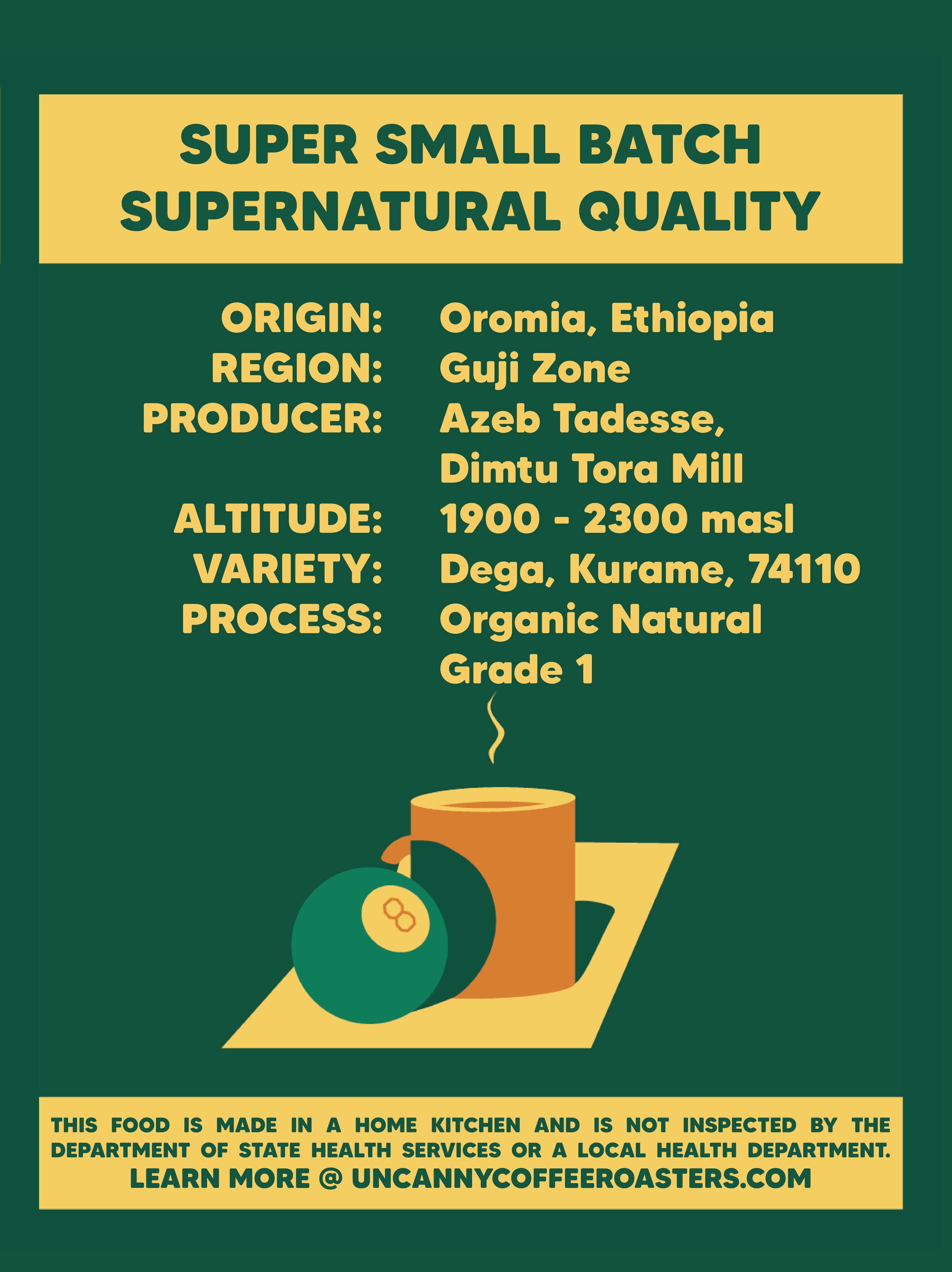 Image 7 of 7
THE BIRTHPLACE OF COFFEE
Every coffee grown today, no matter where it comes from, can trace it’s ancestry back to Ethiopia, where coffee plants were first discovered thousands of years ago. The Oromia people believe that the god Waaqa, after killing one of his most devoted followers due to a misunderstanding, was so stricken with grief that he cried, and from his tears the first coffee plants sprouted.
The Guji zone in Ethiopia is renowned for its high-quality coffee and rich cultural heritage. Hambela Wamena, where Dimtu Tora is located, is known for producing . The region's elevation and climate create ideal conditions for coffee cultivation.
ABOUT THE PRODUCERS
This coffee was produced by Azeb Tadesse and processed at the Dimtu Tora mill in the Guji zone of Oromia, Ethiopia, known for imparting bright floral flavors to the coffees grown there.
The Dimtu Tora mill is located in the Hambela Wamena woreda (an area similar to a district or county), and processes coffees from smallholder farmers who play a vital role in the coffee supply chain, contributing to the area’s reputation for producing exception organic coffees.
ORGANIC* NATURAL PROCESS
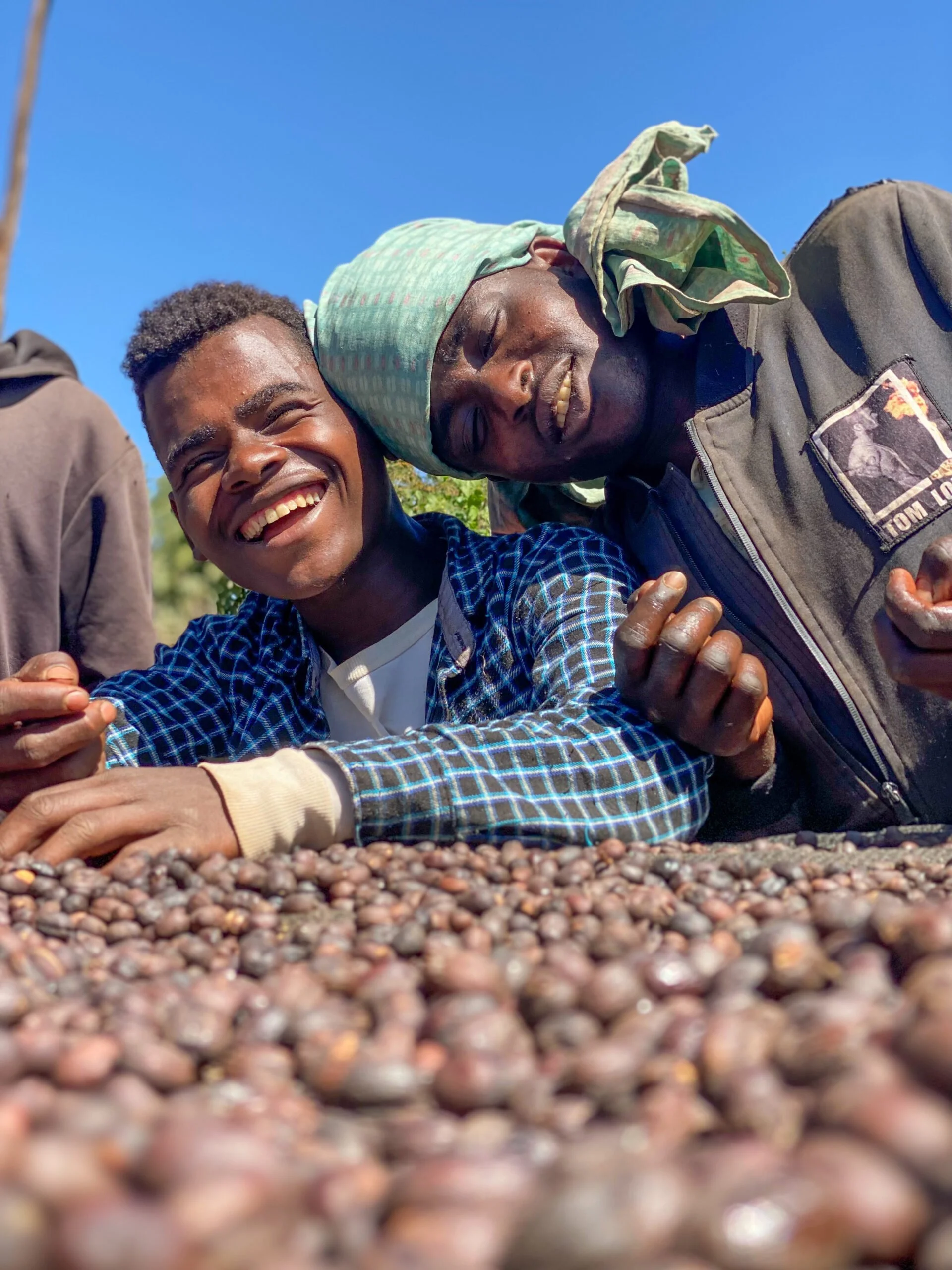
The first and oldest coffee processing method, the Natural (sometimes called “dry”) process involves drying the coffee cherries completely intact before removing the seeds inside. After handpicking ripe coffee cherries, the fruit is then laid out on raised platforms that allow air to flow both above and below so that they may dry evenly. After 2-3 weeks, the now dry, shriveled, and blackened fruit is milled to remove the seed inside, where it then goes through several more stages of quality sorting before being bagged and shipped out of Ethiopia. Because the fruit slowly dries on the seeds (or beans, as we call them), this process can impart fruitier characteristics and a heavier body to the coffee.
It takes many years for a coffee farm to become organic certified. The standards for producing organic coffee are built around four guiding principles: sustaining the health of the soil, plants, animals, and humans as an interconnected system; maintaining ecological balance through natural cycles; treating all living beings with care and respect; and managing the farm with fairness toward both people and the environment. Certification confirms that a farm and its entire supply chain operates within these principles consistently.
Read more about the organic certification process: https://agriculture.institute/crop-production-technology/certification-process-organic-coffee/
*While the raw, unroasted green coffee is certified organic when we receive it, we roast all of our coffees — organic or not — on the same roasting machine, and therefore cannot label the finished product as organic by law.