
 Image 1 of 7
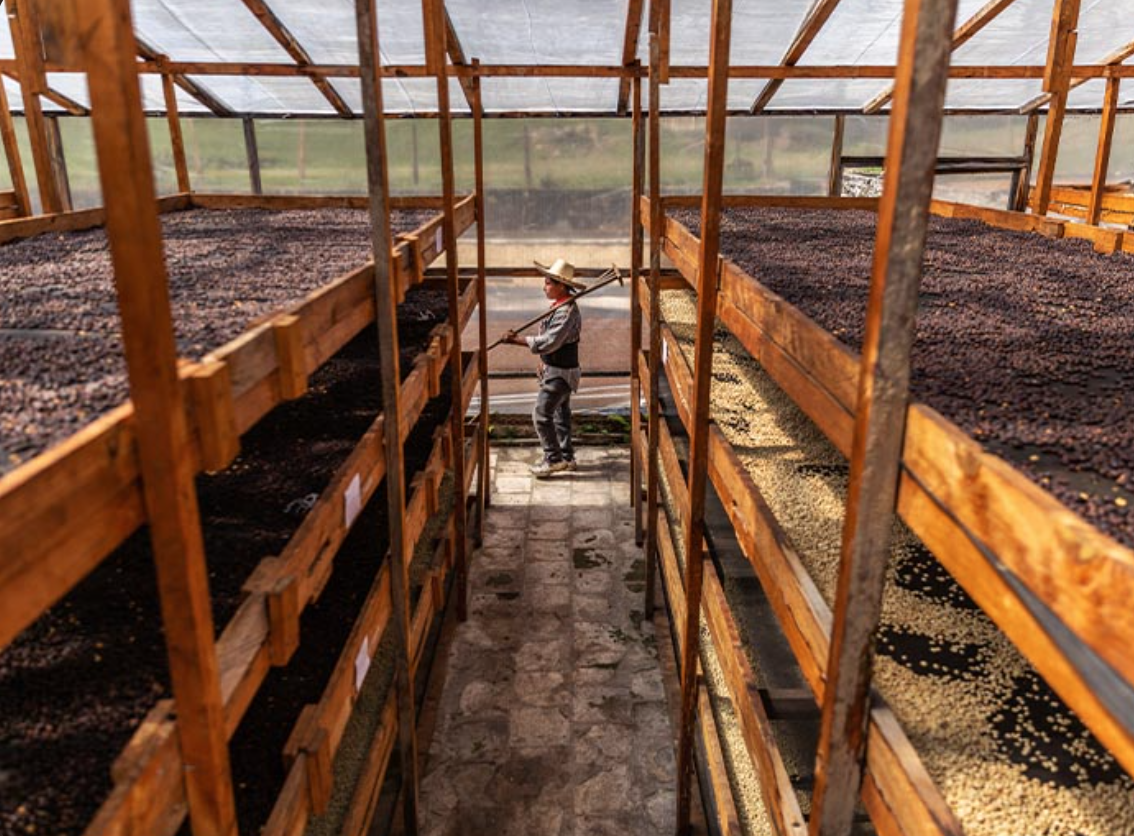 Image 2 of 7
 Image 3 of 7
 Image 4 of 7
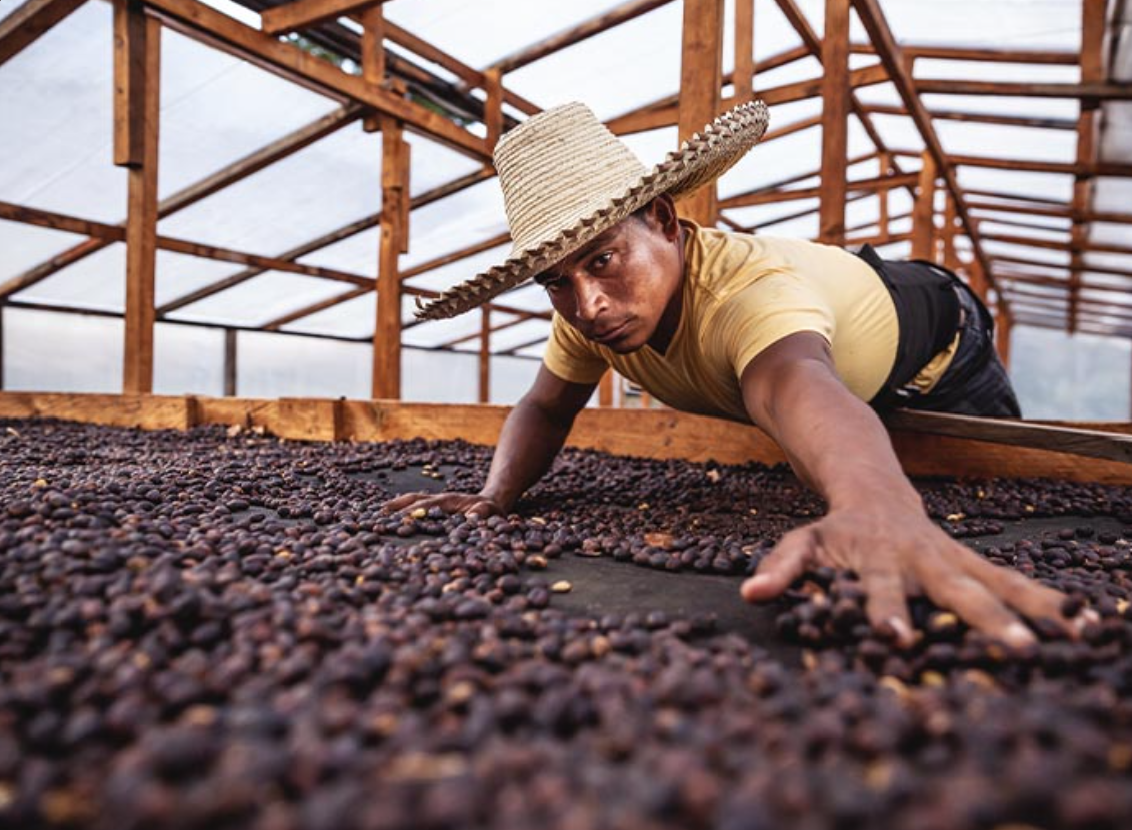 Image 5 of 7
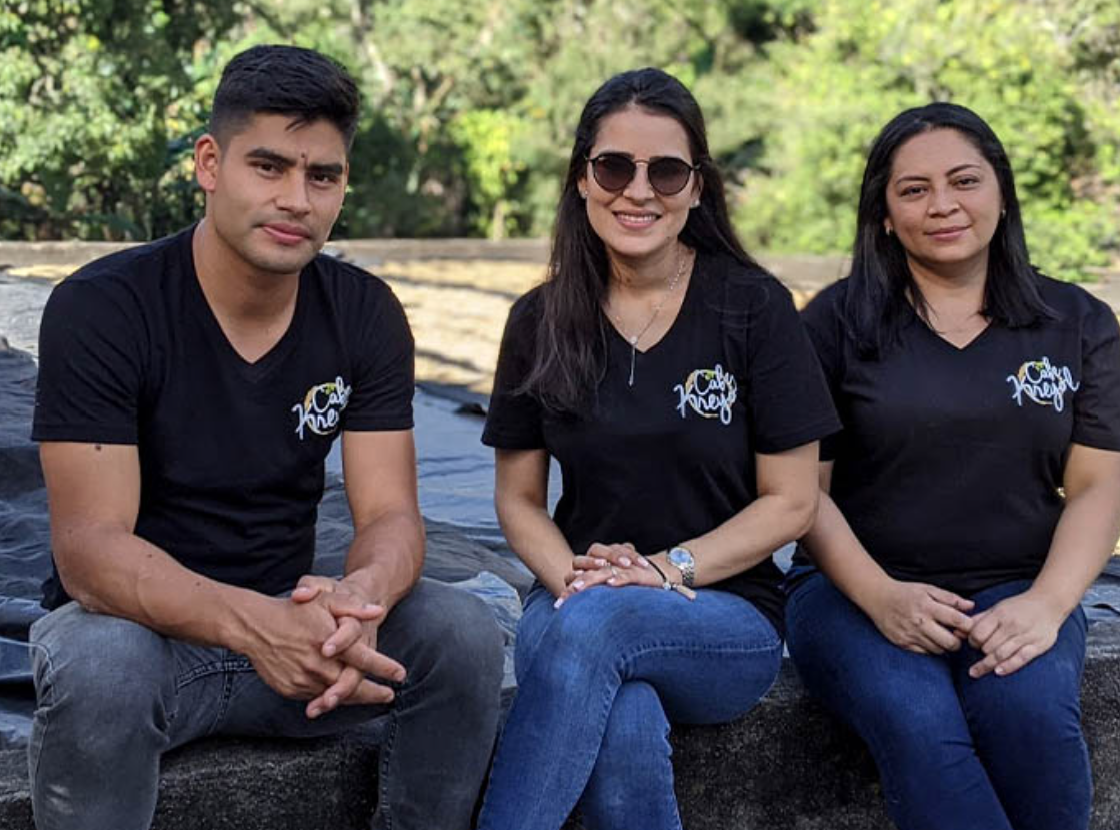 Image 6 of 7
 Image 7 of 7
About the Farmers
From Cafe Kreyol: 18 Rabbit (18 Conejos) is a collective of farms all owned by different members of the Zelaya Ontreras family. Dulce Marlen, the owner of Finca Dulce Luna, is the matriarch of the family, and the owner of 18 Rabbit exports. Her and her husband were pioneers of both organic and Biodynamic farming techniques, being intentional about naturally regenerating the soil they use for their agriculture. Members of the 18 Rabbit family have placed in the top 10 for Honduras’ Cup of Excellence, and work together to create unique fermentations and cupping experiences for their partners.
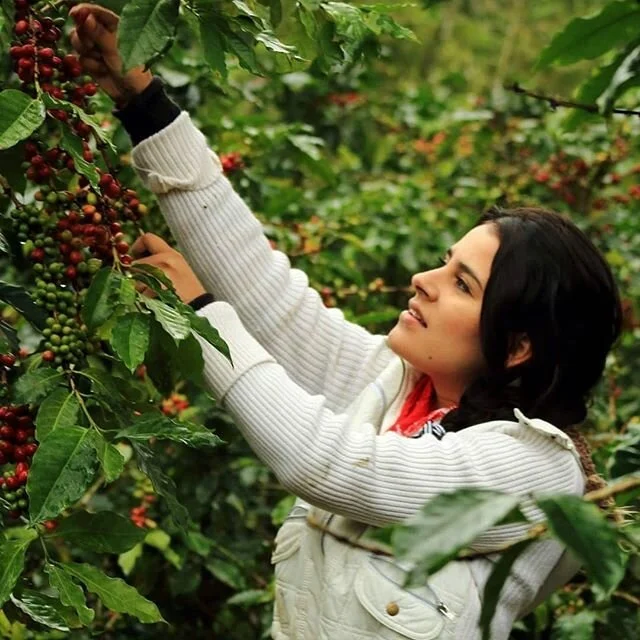
This washed-process coffee was produced by Flhor Zelaya Ontreras in the Marcala, Honduras region near the pyramids of the Mayan King, 18 Rabbit (Uaxaclajuun Ub’aah K’awiil) where she manages an all-female cooperative and runs her farms biodynamically. She started her first farm when she was just five years old and was already focused on growing organically. Now, as an adult, Flhor is committed to changing the coffee culture in her area and total sustainability of the land. Her Biodynamic certification guarantees that the coffee not only has the absence of chemical pesticides and fertilizers, but that the planting of the coffee works with the ecosystem rather than disrupting it. She is in the process of submitting a grant to the Cafe Femenino Foundation, to begin an entrepreneur program for indigenous women in the nearby mountains. For her hard work, Flhor earns 300% higher wages than the Fair Trade minimum.
An art-loving king
Named for the Mayan god of power, creation, and lightning, King Uaxaclajuun Ubʼaah Kʼawiil (18 Rabbit) was the 13th ruler of the small Mayan kingdom that occupied the Copán area of modern-day Honduras. He ruled from January 2nd, 695 until he was beheaded by a rival kingdom on May 3rd, 738. 18 Rabbit was known for being one of the biggest patrons of the arts in that area as seen by the many statues he commissioned throughout the kingdom, and culminating with what would be his final project — the construction of the second largest ball court in Mesoasmerica.
Organic* washed process
Said to produce a clean coffee with notes that reflect it’s terroir — the soil and environment — it was grown in, the washed process requires a substantial amount of water to remove the fruit from the exterior of the coffee beans. After sorting and depulping the coffee cherries, the mucilage-covered seeds, or beans, are transferred to large water-filled vats where they soak and ferment for several hours. Once the mucilage is sufficiently broken down, the coffee is then rinsed and laid out on patios to dry for several days before being exported.
*While Flhor and her team are committed to growing only organic coffees, we cannot label this coffee organic because it is roasted on a machine which also handles non-organic coffee.